I was convinced Murphy had arthritis.
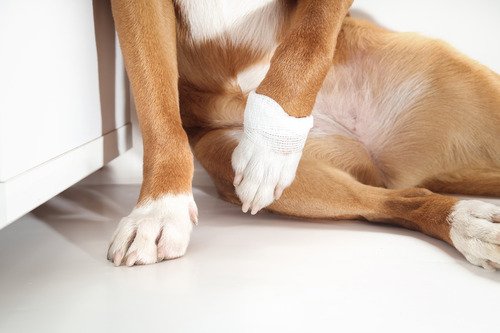
He was slowing down on walks. Not dramatically — but instead of pulling ahead, he started walking next to me. He hesitated before jumping onto the couch. He took the stairs one at a time instead of bounding up them.
I made an appointment with Dr. Chen. I was prepared for bad news. X-rays. Medication. A lifetime of joint supplements. I was already researching dog wheelchairs on Amazon.
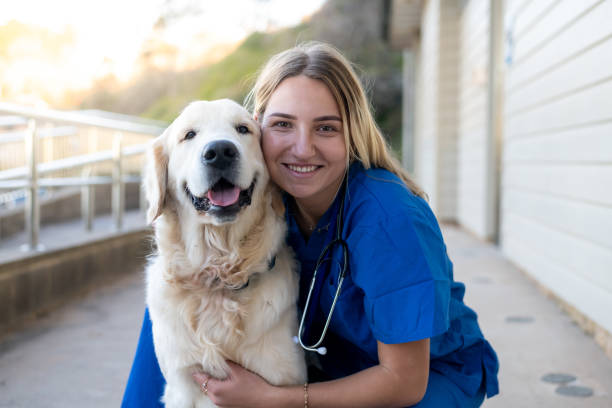
Dr. Chen examined him. She felt his joints. She watched him walk. She weighed him. Then she looked at me with the expression vets use when they're about to tell you something you don't want to hear.
"Murphy has gained 8 pounds since his last visit," she said. "He's 76 pounds. He should be 68."
I stared at her. "So it's not arthritis?" I asked.
"It might be," she said. "But let's try weight loss first. Eight extra pounds on a golden retriever is like a 150-pound person carrying a 20-pound backpack. All day. Every day. On every joint."
I felt like an idiot. I was a nutrition consultant. I literally wrote feeding protocols for a living. And I had let my own dog gain 8 pounds without noticing. Because the change was gradual. Because he still looked good to me. Because I saw him every day and the weight crept on like a thief in the night.
We put Murphy on a diet. Not a dramatic one. Just measured meals. No table scraps. Fewer treats. And we started weighing him weekly. The first month, he lost 1.2 pounds. The second month, 0.8. By month four, he was down to 70 pounds. And something amazing happened.
He started pulling on walks again. He jumped on the couch without hesitation. He took the stairs two at a time. He was playing with toys he had ignored for months. I called Dr. Chen, ecstatic. "It's a miracle!" I said.
"It's not a miracle," she said. "It's physics. You removed 8 pounds of pressure from his joints. His body could heal itself because you stopped injuring it."
I felt like crying. Not because I was sad. Because I was relieved. And because I was ashamed. I had been so focused on the worst-case scenario — arthritis, surgery, medication — that I missed the obvious. My dog was fat. And his body was screaming at me to notice.
So if your dog is limping, or slowing down, or hesitating before jumps, don't assume the worst. Check their weight first. Weigh them. Compare to last year. Compare to their ideal weight. Because sometimes the problem isn't in their joints. It's in their food bowl. And that's a problem you can fix.
—Megan (currently on my third cup of coffee because writing this made me tired)
Let me tell you about the most expensive mistake I almost made. After Murphy started limping, I went online. I researched supplements. I bought glucosamine. I bought chondroitin. I bought fish oil. I bought CBD treats. I spent $200 on supplements that Murphy didn't need. Because the problem wasn't his joints. It was his weight.
I see this all the time. Owners spend hundreds on supplements, special beds, orthopedic harnesses, and pain medications. They take their dogs to specialists. They get X-rays. They consider surgery. And all the while, the dog is gaining weight. Because the owner is so focused on the symptom — the limp, the stiffness, the hesitation — that they miss the cause.
I had a client named Jennifer. She spent $3,000 on diagnostics for her 80-pound German Shepherd, Zeus. X-rays. Blood work. Specialist consultations. The diagnosis? "Early arthritis." The treatment? $200 per month in medication and supplements. And Zeus kept gaining weight. Because Jennifer was so focused on his joints that she never looked at his food bowl.
I weighed Zeus. He was 95 pounds. He should have been 75. That's 20 extra pounds. On a dog with "arthritis." I showed Jennifer the math. Every extra pound on a dog adds 4 pounds of pressure to their joints. Twenty extra pounds? That's 80 pounds of extra pressure. On every step. On every jump. On every stair. No wonder he was limping.
We put Zeus on a diet. Measured meals. No table scraps. Limited treats. He lost 15 pounds in 6 months. And something amazing happened. He stopped limping. He started running. He jumped in the car without help. Jennifer canceled the specialist appointment. She stopped buying supplements. She saved $200 per month. And Zeus was happier than he'd been in years.
"I spent $3,000 to find out he was fat," Jennifer said. She laughed. But it was a painful laugh. Because she felt foolish. And because she wished someone had told her sooner. "Why didn't the vet mention weight first?" she asked. I didn't have a good answer. Because they should have. Because weight is the first thing to check. Because it's the easiest thing to fix. And because it helps more than any supplement ever will.
So if your dog is limping, or slowing down, or hesitating, check the scale first. Before the supplements. Before the specialists. Before the surgery. Check the scale. Because 8 extra pounds can look like arthritis. And removing those 8 pounds can look like a miracle. But it's not a miracle. It's just physics. And it's the cheapest, most effective treatment there is.
—Megan (currently on my third cup of coffee because writing this made me tired)
Let me tell you about the most expensive lesson I ever learned. After Murphy started limping, I spent $400 on supplements. Glucosamine. Chondroitin. Fish oil. CBD treats. I bought an orthopedic bed for $150. I bought a ramp for the car for $80. I bought special harnesses. Special leashes. Special everything.
And then Dr. Chen told me Murphy was 8 pounds overweight. And I felt like the biggest idiot in the world. Because I had spent $630 on "arthritis solutions" when the real solution was free. Just feed him less.
I see this all the time. Owners spend hundreds, sometimes thousands, on supplements, special equipment, and specialist visits. They buy orthopedic beds. They buy joint supplements. They buy prescription medications. And all the while, their dog is gaining weight. Because they're treating the symptom — the limp, the stiffness, the hesitation — instead of the cause.
I had a client named Patricia. She spent $2,500 on diagnostics for her 70-pound Lab, Cooper. X-rays. MRI. Blood work. Specialist consultations. The diagnosis? "Early arthritis." The treatment? $300 per month in medication and supplements. And Cooper kept gaining weight. Because Patricia was so focused on his joints that she never looked at his food bowl.
I weighed Cooper. He was 85 pounds. He should have been 70. That's 15 extra pounds. On a dog with "arthritis." I showed Patricia the math. Every extra pound on a dog adds 4 pounds of pressure to their joints. Fifteen extra pounds? That's 60 pounds of extra pressure. On every step. On every jump. On every stair. No wonder he was limping.
We put Cooper on a diet. Measured meals. No table scraps. Limited treats. He lost 12 pounds in 7 months. And something amazing happened. He stopped limping. He started running. He jumped in the car without help. Patricia canceled the specialist appointment. She stopped buying supplements. She saved $300 per month. And Cooper was happier than he'd been in years.
"I spent $2,500 to find out he was fat," Patricia said. She laughed. But it was a painful laugh. Because she felt foolish. And because she wished someone had told her sooner. "Why didn't the vet mention weight first?" she asked. I didn't have a good answer. Because they should have. Because weight is the first thing to check. Because it's the easiest thing to fix. And because it helps more than any supplement ever will.
So if your dog is limping, or slowing down, or hesitating, check the scale first. Before the supplements. Before the specialists. Before the surgery. Check the scale. Because 8 extra pounds can look like arthritis. And removing those 8 pounds can look like a miracle. But it's not a miracle. It's just physics. And it's the cheapest, most effective treatment there is.
—Megan (currently on my third cup of coffee because writing this made me tired)